What Successful Funded Traders Do Differently: Lessons from FTM's Top Payout Stories
Lessons from Yusuf, Adam and a restaurant owner who earned FTM payouts: wait for quality setups, protect the account, keep it simple and build consistency.
Every trader wants to know what separates a trader who passes an evaluation from one who can stay funded and collect payouts consistently. There is no single strategy or secret formula. Looking at the success stories of Funded Trader Markets traders, however, some patterns appear again and again.
Yusuf earned more than $50,275 in payouts by age 21 after failing challenges and blowing accounts. Adam spent years struggling with losses before eventually earning more than $32,000 in payouts. Another FTM trader balanced trading with running a restaurant and working around 12 hours a day while earning more than $66,000 in payouts.
Their strategies are different, their lifestyles are different, and their journeys are different, but the lessons they share are surprisingly similar.
Stop Trying to Make Every Trade a Winner
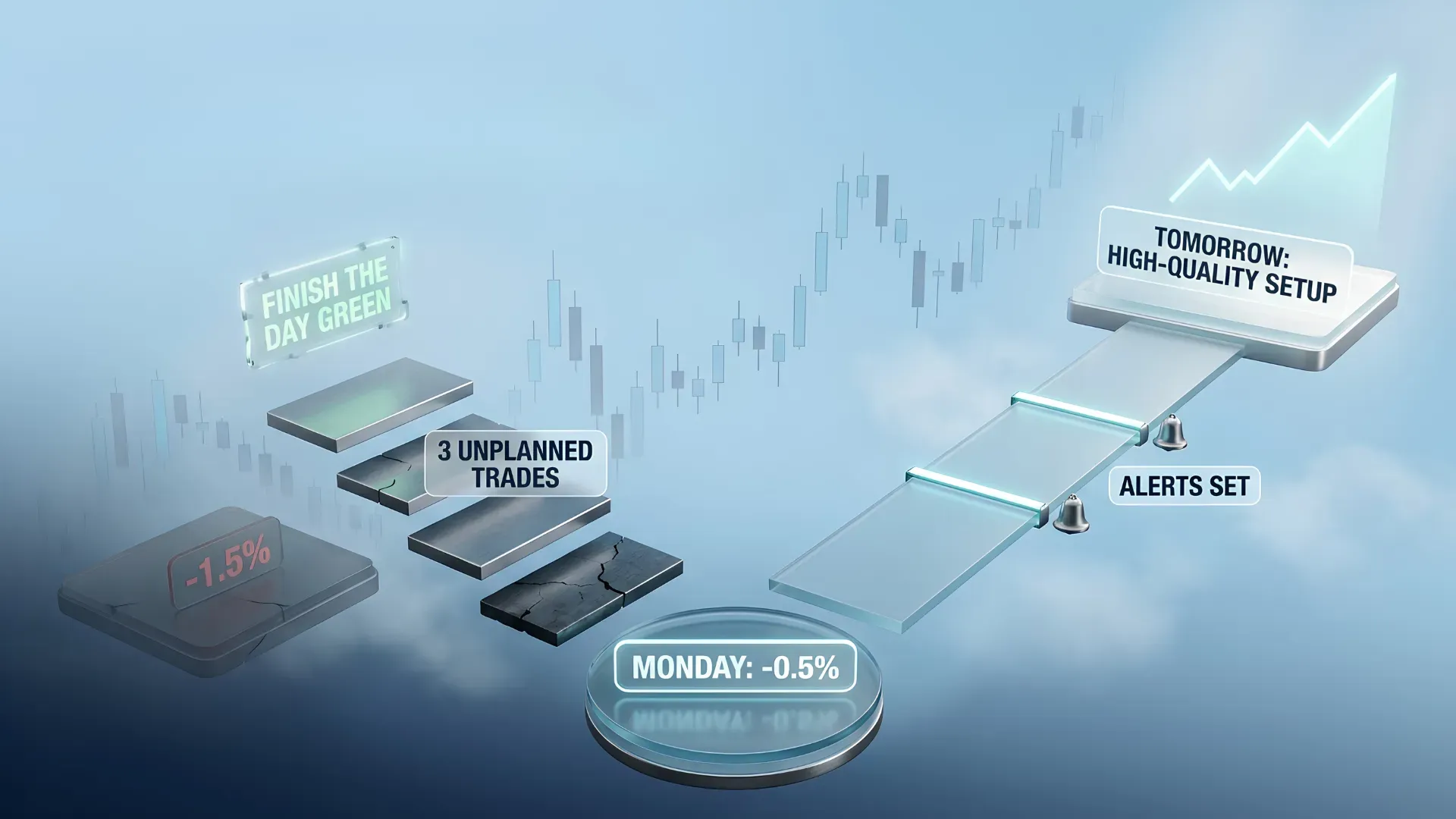
One of the clearest lessons from Yusuf's journey is that you do not need to trade every opportunity. His approach is simple: if the setup is there, he trades it; if there is no setup, he stays out. He uses alerts around important areas instead of sitting in front of the charts all day waiting for something to happen.
This sounds simple, but it can be difficult during a prop firm evaluation. Imagine a trader has a $100,000 funded account and loses 0.5% on Monday. Instead of accepting the loss, they start looking for another setup simply because they want to finish the day positive. Three trades later, they are down 1.5%, and none of those trades were part of their original plan.
A better approach is to understand that being flat is also a position. You do not need to recover a loss immediately, and you do not need to make money every day. A high-quality setup tomorrow is more valuable than a low-quality trade today.
Protect the Account Before Thinking About the Payout
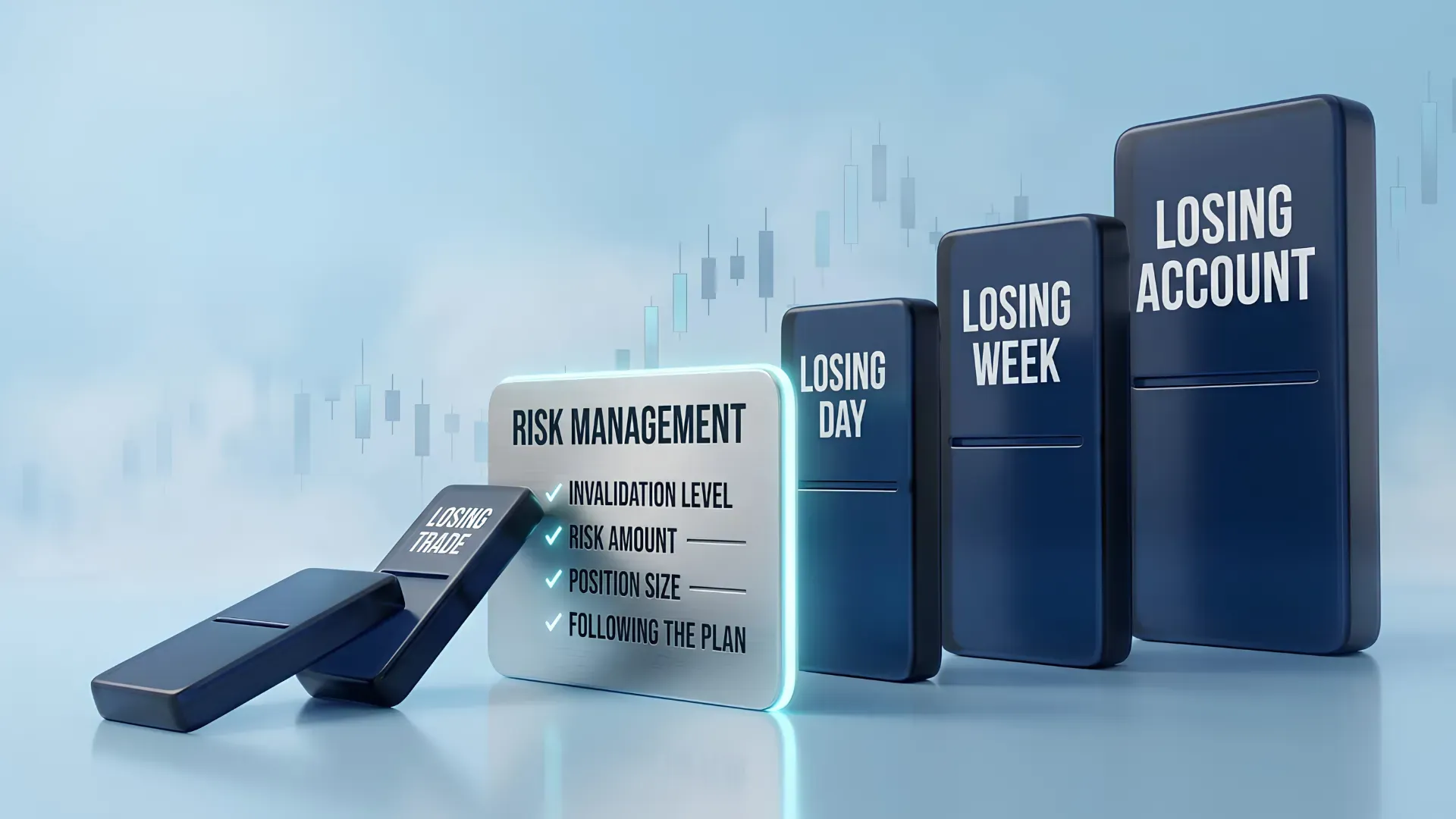
Risk management is another lesson that appears throughout these trader stories. Yusuf learned this after experiencing overtrading and over-risking early in his career. Adam also had to move away from emotional decisions and chasing results before he became consistent.
The restaurant owner offers another honest example. Even after earning more than $66,000 in FTM payouts, he openly talks about greed being one of his biggest weaknesses. At times, wanting more profit caused him to increase his position size, hold trades for too long, and give back profits.
That is an important lesson for any funded trader: a profitable strategy does not protect you from poor risk management. Before entering a trade, ask yourself:
- Where is my invalidation level?
- How much am I risking?
- Does the position size make sense for my account?
- Would I still take this trade if I had already made money today?
- Am I following my plan or trying to recover something?
The goal is not to avoid every losing trade. The goal is to make sure one losing trade does not become a losing day, week, or account.
Keep Your Trading Simple

Another common theme is simplicity. Yusuf built his approach around supply and demand, market structure, liquidity, and imbalances. Adam also prefers a relatively simple approach based on supply and demand, volume, and confirmation rather than filling his charts with endless indicators.
This does not mean simple trading is easy. In fact, simplicity can make discipline harder because there are fewer things to hide behind.
For example, if your strategy requires a liquidity sweep followed by confirmation at a supply or demand zone, you do not suddenly need five additional indicators because the previous two trades lost. The market does not become easier because you add more tools to the chart.
Successful traders often spend years removing things from their process rather than adding them. They learn what matters to their strategy and become comfortable waiting for those conditions.
Your Lifestyle Should Not Control Your Trading

The restaurant owner's story brings another useful lesson: you do not necessarily need to spend eight hours every day looking at charts. While running his restaurant and working long days, he often spends only 5 - 20 minutes reviewing the daily and hourly charts before deciding whether a quality setup is available.
This is especially relevant for traders who have university, work, business, or family responsibilities. More screen time does not automatically mean better trading.
In fact, constantly watching the market can create more opportunities to make unnecessary decisions. A trader who checks the chart every few minutes may eventually convince themselves that a weak setup is worth taking.
Sometimes a better routine is simply:
Analyze → identify levels → set alerts → wait → execute only if the setup appears.
The objective is to build a trading process that fits your life instead of creating a lifestyle that revolves entirely around the charts.
Learn to Survive Bad Months

One of the biggest misconceptions about successful traders is that their results are always consistent. The success stories we have covered tell a different story.
Adam spent years struggling before becoming consistently profitable. Yusuf failed challenges and blew accounts early in his journey. The restaurant owner also experienced difficult months before receiving several payouts in a shorter period.
This matters because a losing streak can completely change a trader's behaviour. After three losses, some traders increase their risk. After five losses, they change their strategy. After failing an evaluation, they immediately buy another account and try to recover the money. Instead, treat a losing period as information.
Review your trades. Look for changes in execution, market conditions, position sizing, and psychology. If your strategy is still valid, there may be nothing to "fix" immediately. Sometimes the best response to a difficult period is simply to reduce risk and wait for your edge to return.
Stop Chasing the Perfect Trading Journey

None of these traders followed a perfect path. That may be one of the most useful lessons of all.
Yusuf didn't start with perfect discipline, and Adam didn't become profitable quickly. The restaurant owner openly discusses greed and ongoing mistakes. Their stories show that becoming a consistent funded trader isn't about never making mistakes, but improving at recognizing and controlling them.
The most useful habits shared across their stories are straightforward:
- Wait for quality setups instead of forcing trades.
- Keep risk small enough to survive losing streaks.
- Do not revenge trade after a loss.
- Keep your strategy simple and understand your edge.
- Review your mistakes instead of constantly changing your system.
- Treat trading like a business, not a way to get rich quickly.
- Give yourself time to improve.
The Real Goal Is Consistency
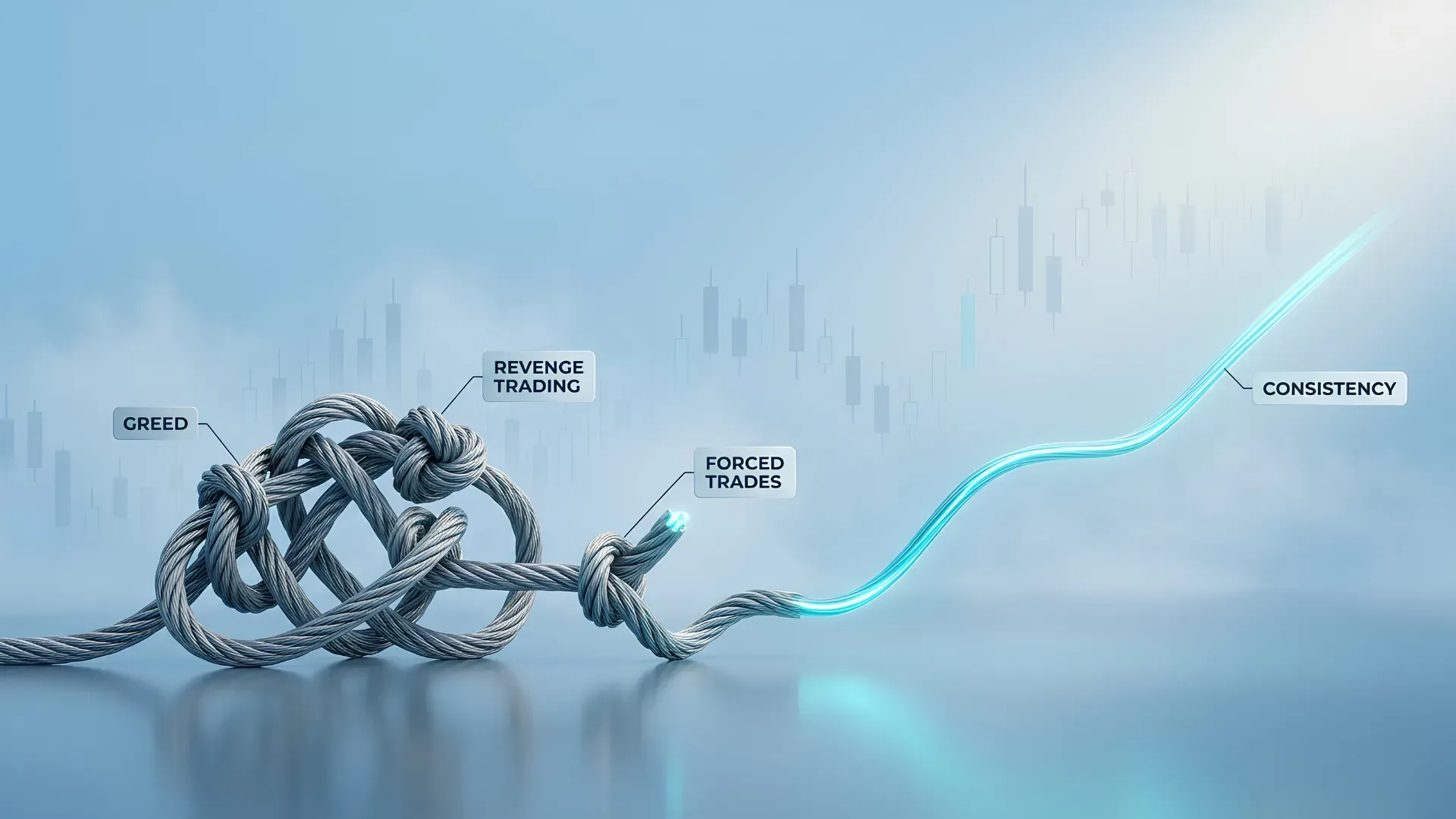
Payouts are obviously an important part of prop firm trading, but the stories behind those payouts reveal something deeper. The traders who eventually built consistency learned to think beyond their next trade.
Yusuf focused on patience and high-quality setups. Adam had to overcome years of emotional trading and change the way he viewed trading. The restaurant owner learned to manage greed while fitting trading around an extremely busy schedule. Their methods are not identical, but their mindset has several similarities: protect the account, wait for your edge, accept losses, and keep improving.
For traders working toward their next evaluation, funded account, or prop firm payout with Funded Trader Markets, these lessons are worth remembering. You do not need to copy another trader's strategy to learn from their success. Sometimes the most valuable lessons are much simpler: trade less, risk less, wait more, and give yourself enough time to become good at what you do.
Consistency is not built by one great trading day. It is built by making better decisions repeatedly, especially when the market is not giving you what you want.
Iva Bogdanov, Senior Trading Psychology Analyst
Iva has spent over a decade studying how traders make decisions under pressure. Her work focuses on the behavioral gap between strategy and execution: why disciplined plans break down when capital is at risk. At FTM she translates research on cognitive bias, drawdown psychology, and habit-building into practical content for funded traders. Her writing emphasizes systems over willpower, the rules that help traders survive losing streaks and stay consistent across market cycles.
Continue exploring Erfolgsgeschichten

Macroeconomic Outlook: The Data Point That Could Reset Market Expectations
Macroeconomic Outlook: The Key Events Prop Firm Traders Should Watch This Week