The Resilience It Takes to Become a Consistent Prop Firm Trader
Consistency in prop trading is not built on a perfect strategy — it is built on resilience. Here is how funded traders handle losses, failed challenges and quiet markets without losing their discipline.
Becoming a consistent prop firm trader isn't a straight path. You'll face profitable and losing weeks, failed evaluations, missed setups, and trades that don't work. The key difference between successful traders and quitters isn't strategy but resilience. Resilience involves accepting losses, reviewing, and returning with discipline instead of letting one bad trade impact others.
Your First Challenge Is Often Yourself

Many traders focus on hitting the profit target during a prop firm evaluation, calculating what they need to make and hunting for trades. This can cause pressure, as risking too much to pass quickly may reach the daily drawdown limit before their strategy proves effective.
A resilient trader knows one trade doesn't determine the evaluation. If you risk 0.5% per trade and lose, don't immediately raise risk to 1% or 2% to recover. The loss is part of the process. The next trade should still follow your setup, market conditions, and risk management.
This is where trading psychology becomes so important. You cannot control whether the market hits your stop loss. You can control how much you risk, whether you follow your trading plan, and how you respond afterward.
Failed Challenges Can Become Useful Lessons

Almost every trader who spends enough time trading with a prop firm will experience setbacks. A failed challenge doesn't automatically mean your strategy doesn't work. Sometimes the problem is position sizing, overtrading, revenge trading, or simply taking trades that do not meet your usual criteria.
The important question is not only "Why did I fail?" but also "What can I change before my next attempt?"
Take a trader who loses an evaluation after several trades during a volatile market session. Instead of immediately purchasing another account and trying to win everything back, they could review their trading history and ask:
- Did I follow my normal risk per trade?
- Did I take trades outside my strategy?
- Did I increase my position size after a loss?
- Was I trading because a setup was present, or because I wanted to recover?
That kind of review turns a difficult experience into useful information. Resilience is not about ignoring mistakes. It is about learning from them without allowing them to control your next decision.
Resilience Does Not Mean Trading Every Day
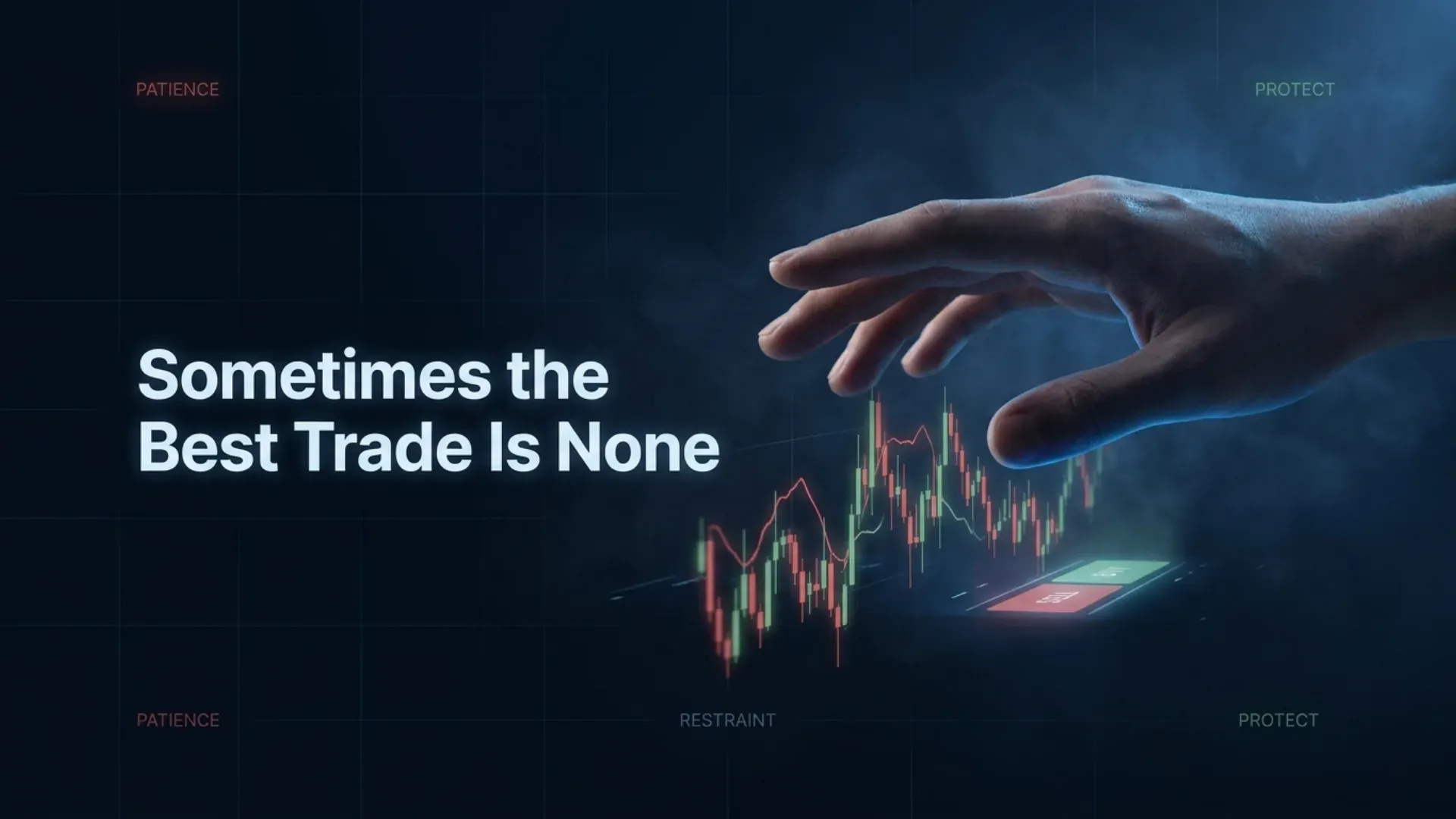
One of the biggest misconceptions in trading is that a serious trader needs to trade every day. In reality, some of the best decisions can be the decision to stay out.
Markets change. A strategy that performs well during a strong trend may struggle when price starts moving sideways. Major economic events can also create conditions that do not fit your normal trading approach. A resilient prop firm trader understands that protecting a funded account is more important than forcing another trade.
Sometimes the right decision is to wait, especially when trading with a prop firm where drawdown matters. Protecting your account during tough times gives more opportunities to trade when conditions improve.
Building the Mindset for Long-Term Consistency

The journeys of successful Funded Trader Markets traders show that there is no perfect path to consistency. Some traders have experienced failed challenges, losing streaks, and periods where their strategy did not perform as expected before eventually finding a more disciplined approach.
The goal should not be to create a trading career with zero losing trades. That is unrealistic. The goal is to build a process that you can follow through both winning and losing periods.
A resilient trader knows that:
- Losses are part of trading. Mistakes can be reviewed. Drawdown must be respected. Good setups can be missed. And sometimes, doing nothing is the best decision.
- Funded Trader Markets offers traders funded trading opportunities tailored to various styles and goals. However, having a funded account is just part of the journey; the real challenge lies in developing discipline, patience, and emotional control to manage it responsibly.
- Resilience means staying in the game to improve. While you can't control market moves, you can control your preparation, risk, and response when plans fail. This mindset helps anyone striving to become a more consistent prop firm trader.
Iva Bogdanov, Senior Trading Psychology Analyst
Iva has spent over a decade studying how traders make decisions under pressure. Her work focuses on the behavioral gap between strategy and execution: why disciplined plans break down when capital is at risk. At FTM she translates research on cognitive bias, drawdown psychology, and habit-building into practical content for funded traders. Her writing emphasizes systems over willpower, the rules that help traders survive losing streaks and stay consistent across market cycles.